
Virtual Therapy for Adults
Support for Trauma, Anxiety, Grief & Life Transitions
Compassionate, culturally responsive therapy for adults in DC, NY, VA, VT, and UT.
[Schedule Your Free 15-Minute Consultation]
When you're struggling, even everyday responsibilities can start to feel overwhelming. You might be dealing with constant overthinking, emotional exhaustion, difficult relationship patterns, or a sense that you're going through the motions rather than feeling connected to your life.
Therapy offers a space to better understand what you're experiencing, explore how past experiences may be affecting you today, and develop ways to move forward. Together, we'll build on your strengths, work through challenges at your own pace, and identify practical changes that support your well-being.

Complex Trauma & Relationship Patterns
Understand how past experiences shape your relationships, boundaries, and sense of self.
You might find yourself putting others first, struggling to set boundaries, or feeling that you always have to rely on yourself. Perhaps you grew up feeling emotionally unsupported, experienced difficult family dynamics, or learned to prioritize other people's needs to maintain a sense of connection or safety.
Therapy can help you explore how these experiences affect your relationships today, recognize patterns that may no longer serve you, and develop new ways of relating to yourself and others.
Anxiety, Depression & Burnout
Make sense of what you're experiencing and find ways to feel more like yourself again.
You might be managing work, school, relationships, and other responsibilities while feeling overwhelmed internally. Maybe you struggle with persistent worry, overthinking, low energy, difficulty sleeping, or a lack of motivation. Even everyday tasks can start to feel harder than they used to.
Therapy can help you understand what's contributing to these experiences, develop practical strategies for managing distress, and make changes that better support your needs and well-being.
Life Transitions & Personal Growth
Find your footing when life looks different than you expected.
Starting a new career, adjusting to life after college, navigating a relationship change, or reconsidering what matters to you can bring uncertainty and self-doubt. Even changes you've worked toward can leave you wondering what comes next.
Therapy offers space to explore what you're experiencing, reconnect with your priorities, and navigate change in a way that feels right for you.
Grief & Loss
Make space for your grief while finding your way forward.
Grief can follow the death of someone you love, but it can also accompany estranged family relationships, the end of a relationship, changes in health, or the loss of a future you imagined for yourself. Some losses are difficult to explain, and others may not be fully understood by the people around you.
Therapy provides space to explore complicated feelings, honor what matters to you, and navigate life after loss without rushing your grieving process.
Perinatal & Reproductive Mental Health
Support for the emotional changes and challenges of pregnancy, postpartum, and the journey toward parenthood.
Pregnancy, postpartum, and reproductive experiences can bring emotions you didn't expect. You might be navigating anxiety, changes in your identity or relationships, fertility challenges, a difficult birth experience, or pressure to feel a certain way about becoming a parent.
As a PMH-C, I offer specialized support to help you make sense of these experiences, work through difficult emotions, and adjust to changes in your life and relationships.
Your Experience Doesn't Have to Fit into One Box
Our experiences are connected. Anxiety may be tied to a difficult life transition. Grief may affect your relationships. Past experiences may influence how you navigate work, boundaries, or everyday stress.
Our work together will be shaped by your experiences, needs, and goals—not limited to a single diagnosis or category.
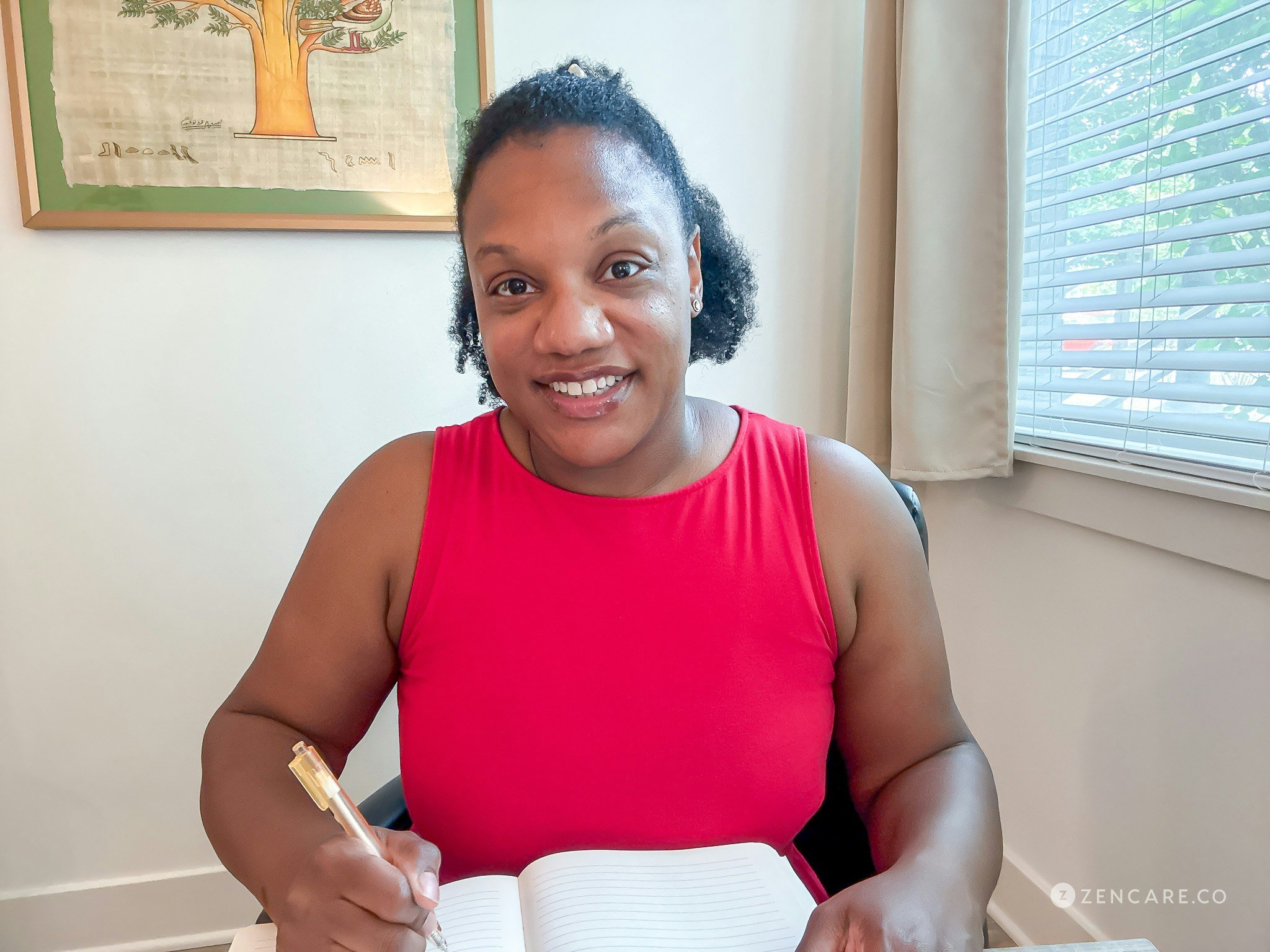
My Approach to Therapy
My approach is warm, collaborative, culturally responsive, and trauma-informed. I draw from evidence-based therapies and tailor our work to your experiences, strengths, and goals.
Depending on your needs, our sessions may focus on understanding patterns, developing practical skills, processing difficult experiences, or navigating change.
-
ACT can help you relate differently to difficult thoughts and feelings, clarify what's important to you, and take meaningful steps toward the life you want to build—even when things feel uncertain or uncomfortable.
-
Drawing from trauma-informed CBT, our work may explore how past experiences influence your beliefs, relationships, boundaries, and sense of self.
Together, we'll work to understand patterns that may no longer serve you and develop new ways of responding to difficult experiences.
-
Therapy can include practical strategies for managing stress, navigating difficult emotions, and responding to challenging situations.
We may explore grounding techniques, coping skills, and ways to recognize how stress affects you physically and emotionally.
-
Specialized knowledge of emotional As a PMH-C, I offer specialized support for the emotional and relational challenges that can arise during pregnancy, postpartum, and reproductive transitions.
Our work is tailored to your experiences, whether you're navigating anxiety, changes in identity, relationship challenges, or a difficult birth experience.
Frequently Asked Questions
-
You don't need to have it figured out before reaching out. During our consultation and initial sessions, we'll discuss what brings you to therapy, what you'd like support with, and whether my approach is a good fit for your needs. If you're navigating several concerns at once, we'll consider how they connect and prioritize what feels most important to you.
-
No. Difficult experiences can take many forms. You may have experienced a specific traumatic event, or you may be working through the effects of childhood emotional neglect, difficult family relationships, or experiences that left you feeling unsupported or misunderstood.
Therapy can help you explore how these experiences affect you today.
-
Yes. Life transitions can involve a sense of loss, even when the change is expected or chosen. You may be adjusting to a new career, the end of a relationship, or a different stage of life while also grieving what has changed.
Therapy can help you make room for these feelings while navigating what comes next.
-
Yes. Parenthood can bring new emotional and relational challenges as your children grow and family circumstances change. I offer support for pregnancy, postpartum, and the broader emotional experiences of parenthood and reproductive transitions.
We can discuss your current concerns during a consultation to determine whether my services are a good fit.
-
Cardinal Hope and Healing LLC is a private-pay, out-of-network practice and does not bill insurance directly.
If your plan includes out-of-network mental health benefits, you may be eligible for reimbursement. You can use Reimbursify to verify your benefits and submit claims electronically. Monthly superbills are also available upon request.
HSA and FSA cards are accepted.
You Don't Have to Figure It All Out on Your Own
Whether you're navigating anxiety, working through past experiences, grieving a loss, or adjusting to a new stage of life, therapy can offer space to understand what you're going through and explore what comes next.
If you're ready to see whether we're a good fit, schedule a complimentary 15-minute consultation.